
How to Elevate Your Design Work with Powerful Branding in Just 5 Steps
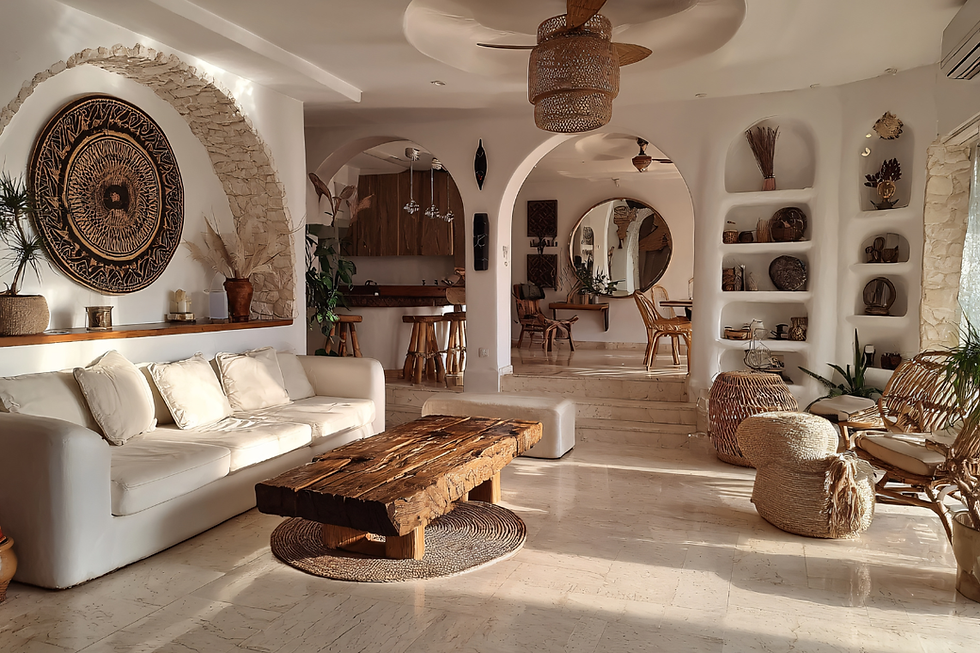
Strong branding is the strategic process of shaping how your audience perceives and connects with your design work. It's not just about creating a pretty logo—it's about crafting a complete identity that communicates your values, expertise, and unique approach to every potential client who encounters your business.
When you master interior design branding, you transform how clients view your services. They stop seeing you as just another designer and start recognizing you as the designer who understands their vision. This shift in perceived value directly impacts your ability to command premium rates, attract ideal clients, and build lasting relationships.
This article breaks down five actionable steps that will help you build a brand identity that resonates with your target audience, differentiates you from competitors, and positions your design work as an investment rather than an expense. You'll discover practical techniques that transform how clients perceive and value your creative services.
The Impact of Strong Branding on Design Work
Brand identity is the visual and emotional foundation of your design business. It includes elements such as your logo, color palettes, typography choices, and the stories you tell about your work. These components work together to create instant recognition in your clients' minds.
Think about how specific colors trigger immediate associations:
Royal blue conveys trust and stability.
Emerald green suggests luxury and growth.
Your typography choices communicate personality before anyone reads a single word:
A modern sans-serif font speaks to contemporary minimalism.
An elegant serif typeface suggests timeless sophistication.
These elements create emotional connections that transform casual viewers into devoted clients. When someone sees your signature color palette or recognizes your distinctive logo style, they're not just identifying your business—they're recalling the feelings and experiences associated with your brand.
Competitive differentiation becomes natural when your brand identity is strong and consistent. In a saturated market where countless designers offer similar services, your brand becomes the deciding factor. Clients don't just choose you for your technical skills; they choose you because your brand resonates with their values and aesthetic preferences.
This resonance builds customer trust and loyalty. Clients who connect with your brand become advocates, referring friends and sharing your work on social media. They're investing in your brand story, not just purchasing design services.
1. Create a Strong Brand Identity for Your Interior Design Business
Creating a strong brand identity is crucial for your success as an interior designer. It helps you stand out from the competition and attract clients who resonate with your style. Here are some key elements to consider when developing your brand identity:
Establish Visual Consistency
Start by establishing visual consistency across all your marketing materials. This includes your logo, color palette, and typography. Make sure these elements work together seamlessly and are used consistently in every aspect of your business—from your website to your project proposals to your social media presence.
When you maintain this consistency, you create a visual language that becomes instantly recognizable to clients. They will associate this visual language with your work and remember it when they think of hiring an interior designer.
Reflect Your Design Philosophy
As an interior designer, it's important that your branding reflects your unique design philosophy. Are you minimalist and modern? Traditional and ornate? Eclectic and bold? Whatever style you specialize in, make sure it is authentically represented in your visual branding elements.
For example, if you specialize in coastal contemporary interiors with soft blues and natural textures, incorporate these same colors and materials into your brand materials such as business cards or brochures. This will create a cohesive look that reinforces your expertise in that particular style.
Build Professional Credibility
A cohesive brand identity builds professional credibility in ways that scattered or inconsistent branding never can. Clients trust designers who demonstrate attention to detail not only in their work but also in their own brand presentation—it signals the same care you'll bring to their projects.
When potential clients see a polished and consistent brand identity across all platforms—online and offline—they immediately perceive you as established and reliable. This perception makes them more likely to invest in hiring you for their interior design needs.
Remember, building a strong brand identity takes time and effort but it is well worth it in the long run!
2. Use Storytelling to Create Stronger Emotional Connections with Clients
Storytelling in branding goes beyond just making things look good; it turns your design work into memorable experiences that clients truly appreciate. Instead of relying solely on numbers and portfolios, you can connect with clients on a deeper level by sharing the story behind your designs—the obstacles you've faced, what inspires your unique style, or when you first realized how much you love creating spaces that make a difference.
Your brand story should explain why you do what you do. Maybe you have a personal commitment to protecting the environment, which is why sustainable design is your specialty. Or perhaps you've seen firsthand how design can improve someone's well-being, so you focus on creating peaceful environments. These genuine stories will resonate with potential clients who share similar values.
Think about how you can tell a compelling story for each project:
What was the client's original vision and what challenges did they face?
How did you come up with creative solutions to those problems?
What changes did your work bring about in the client's everyday life?
By presenting your projects as narratives, you're showing that you're more than just someone who provides a service—you're becoming a trusted ally in your clients' personal journeys. This approach not only enhances the perceived value of your design work but also sets you apart from other designers.
3. Use Luxury Branding Techniques to Increase the Perceived Value of Your Designs
Luxury branding techniques change how clients see your design work even before they see the final result. When you use high-quality packaging materials and elegant details that suggest exclusivity in your presentations and proposals, they become powerful tools for building your brand.
Elevate Your Design Presentations with Thoughtful Material Choices
Think about how you show your design ideas to clients. Instead of using regular paper, opt for textured papers that feel substantial—like cotton fiber or linen-finish materials that clients can touch. These tactile experiences create immediate connections with quality and craftsmanship.
Enhance Your Proposals with Specific Embellishments
Certain decorative elements can further enhance this effect:
Embossing: Add depth and visual interest by raising your logo or important design elements on proposal covers.
Foil stamping: Use metallic finishes (such as gold, rose gold, or silver) to create a sense of hierarchy and sophistication in your designs.
Debossing: Achieve subtle elegance through recessed impressions that invite touch and curiosity.
Create Lasting Impressions through Engaging Presentations
You'll find that clients spend more time interacting with beautifully crafted presentations. This prolonged engagement reinforces your brand's commitment to detail—the same quality they can expect in your actual design work. By investing in high-quality presentation materials, you'll directly influence how much clients value your projects and their willingness to pay top dollar for your services.
4. Align Your Branding Efforts with Your Business Operations and Marketing Strategy
Brand strategy alignment turns your visual identity into a practical guide for every business decision you make. Your brand values should be reflected in your client onboarding process, project management approach, vendor relationships, and even how you deal with difficult clients.
When you incorporate your brand promise into your operational workflows, you create genuine interactions that reinforce your positioning. If your brand focuses on sustainability, this commitment should be evident in your material sourcing, waste management practices, and supplier partnerships—not just in your marketing materials.
Your marketing efforts become much more powerful when they are consistent. Instead of spreading your message across different campaigns that don't connect with each other, you create a single story that builds recognition over time. This strategic alignment lowers your cost per acquisition and improves conversion rates because potential clients hear the same compelling story whether they find out about you on Instagram, your website, or through a referral.
Monitor how well your brand messaging performs on different channels to find out which elements resonate most strongly with your ideal clients. Then, amplify those aspects throughout your entire business ecosystem.
5. Protect Your Brand to Maintain Trust and Maximize Long-Term Value
Brand protection strategies safeguard the equity you've built through consistent design work and client relationships. When challenges arise—whether it's a project delay, client dispute, or market downturn—your response defines your brand's resilience.
You maintain trust by addressing issues transparently while staying true to your established brand voice. A design firm that typically emphasizes attention to detail shouldn't suddenly adopt casual communication during a crisis. This consistency reassures clients that your core values remain intact regardless of circumstances.
Implementing an effective crisis communication strategy is essential in maintaining this trust. It involves documenting guidelines for crisis communication, training team members on brand standards, and regularly auditing all client touchpoints for consistency.
How Strong Branding Elevates the Perceived Value of Your Design Work becomes evident when you avoid common pitfalls:
Inconsistent messaging across platforms confuses potential clients about your expertise and positioning
Reactive rebranding during difficulties signals instability rather than evolution
Scattered marketing resources dilute your message and waste budget that could strengthen your core brand
This vigilance ensures your brand continues commanding premium rates and attracting ideal clients.
Conclusion
You now have a clear roadmap to transform how strong branding elevates the perceived value of your design work. These five steps—developing cohesive brand identity, leveraging storytelling, applying luxury techniques, aligning operations with strategy, and protecting your brand—work together to create lasting impact in your business.
When you implement these strategies consistently, you'll notice something powerful: clients willingly embrace a premium pricing strategy for designers because they recognize the exceptional value you deliver. Your brand becomes synonymous with quality, trust, and expertise.
Start with one step today. Refine your visual identity or craft your brand story. Each action builds momentum toward sustainable growth and positions you as the designer clients seek out and remember.
FAQs (Frequently Asked Questions)
What is the importance of strong branding in interior design work?
Strong branding in interior design work establishes a cohesive identity that builds professional credibility, fosters customer trust, and differentiates your services in a competitive market, ultimately elevating the perceived value of your designs.
How does storytelling enhance emotional connections with clients in design branding?
Storytelling allows you to communicate your design journey and core values effectively, creating narratives that resonate deeply with target audiences and strengthen client relationships through emotional engagement.
What luxury branding techniques can elevate the perceived value of interior design presentations?
Incorporating luxury branding elements such as premium packaging materials, embossing, and foil stamping in your presentations and proposals adds exclusivity and attention to detail, significantly enhancing the perceived value of your designs.
Why is aligning branding efforts with business operations and marketing strategy crucial for designers?
Aligning branding efforts ensures consistent messaging across all business aspects, streamlines marketing initiatives, reinforces brand values, and maximizes return on investment (ROI), leading to more effective brand communication and growth.
How can designers protect their brand to maintain trust and maximize long-term value?
Protecting your brand involves maintaining consistent messaging during challenges or crises, avoiding inconsistent communications, and preventing wasted marketing resources that could damage your brand's reputation and perceived value over time.
What are actionable steps designers can take to elevate their work through strong branding?
Designers can elevate their work by developing a cohesive brand identity tailored to their philosophy, leveraging storytelling for emotional engagement, utilizing luxury branding techniques, aligning branding with business strategies, and implementing robust brand protection measures.


