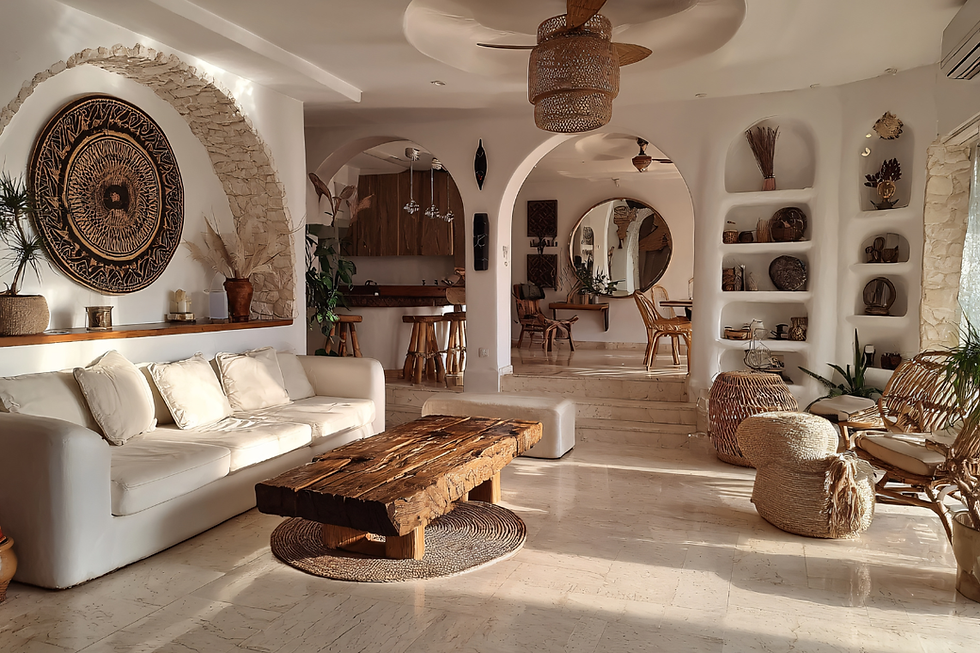
Simple SEO Steps Designers Can Take to Get More Project Inquiries

Simple SEO Steps Designers Can Take to Get More Project Inquiries starts with understanding why SEO matters for your design business. Whether you are an interior designer, branding designer, or web designer, clients are searching online every day for services like yours. When your website appears at the top of search results, you gain visibility, credibility, and direct opportunities for more project inquiries. This article breaks down practical and beginner friendly SEO steps that help designers improve online visibility, show up for the right clients, and increase qualified inquiries without needing a technical background.
Understanding the Value of SEO for Designers
SEO benefits for designers go far beyond ranking for keywords. Strong SEO drives relevant traffic from clients who are already searching for your style, niche, and services. Instead of paying for ads or spending time on social media, SEO works continuously in the background and brings higher quality leads at a lower cost. Compared to traditional advertising, SEO delivers more targeted traffic and better long term results because it focuses on organic visibility and trust building.
Step 1: Claim and Optimize Your Google Business Profile
Google Business Profile optimization is one of the easiest wins for local SEO for interior designers and other creative pros. Make sure your profile is complete with your business name, category, contact details, service area, hours, and high quality portfolio images. Add location based keywords such as Interior Designer in Charlotte or Kitchen Designer in Dallas to improve local rankings. Maintain consistent Name, Address, and Phone details across platforms to strengthen credibility and local visibility.
Step 2: Discover and Use Customer Keywords
Keyword research for designers starts with understanding how clients search. Common searches include best interior designer in Austin or affordable interior design Miami. Use AI powered keyword tools to find phrases that match your services, style, and geographic area. Once you identify the right terms, incorporate them naturally into your website content, service descriptions, and blog posts. This helps your website align with what clients are already searching for.
Step 3: Create Optimized Service Pages and Blog Content
Build strong service pages that clearly explain what you offer. These include Home, About, Portfolio, Services and Pricing, and Contact. For blog content SEO, write articles that answer popular questions or showcase your expertise in your design niche. Use keyword rich titles that support relevance and help clients find your content more easily. When your pages match user intent, you increase both visibility and trust.
Step 4: Optimize Website Content and User Experience
Website content optimization helps your design work shine while improving SEO performance. Use descriptive file names and alt text for images, since search engines rely on these elements to understand your visuals. Compress images to keep your site fast and responsive. Display authentic project photos prominently to highlight your expertise. A website with intuitive navigation, simple layout, and fast load time keeps visitors engaged and reduces bounce rates.
Step 5: Build Authority Through Strategic Link Building
Link building for designers increases credibility and boosts rankings. Start by listing your business on reputable local directories or design specific platforms. Collaborate with complementary businesses such as real estate agents, contractors, or furniture studios to earn high quality backlinks. Guest blogging helps you share insights on relevant websites while sending referral traffic your way. You can also encourage clients to leave testimonials on external platforms for additional authority.
Step 6: Prioritize Technical SEO Essentials
Technical SEO for designers ensures your site performs smoothly. Improve loading speed by optimizing hosting and compressing large files. Use a responsive mobile design, since many homeowners, brand owners, or business clients browse on their phones. Secure your site with HTTPS. Create an XML sitemap to help search engines crawl your pages. Add schema markup to improve how your business details appear in search. Regularly check for broken links or outdated pages to keep your site error free.
Step 7: Utilize Effective SEO Tools
SEO tools make the process easier and more efficient. Google My Business tools help you track profile views, searches, and customer interactions. AI keyword research tools refine your keyword strategy based on client intent. Google Search Console provides insights into indexing issues, crawl errors, broken links, and overall site health. These tools guide your decisions and help you improve SEO consistently.
When to Consider Professional SEO Help
Sometimes DIY SEO becomes overwhelming. Running a design business already takes energy and time. When SEO tasks start piling up, professional SEO services for designers can help. An expert handles technical improvements, keyword strategy, content planning, and website optimization so you can focus on client work. This support leads to stronger rankings, more visibility, and more qualified project inquiries.
Advertai Marketing specializes in combining web design and foundational SEO to make websites both beautiful and findable, focusing on essential elements such as meta titles, keyword integration, alt text, and more . Designers who want long term growth often benefit from an experienced partner who understands how design and SEO work together.
Conclusion
Effective SEO strategies for designers do not need to be complicated. Each simple action contributes to stronger visibility and a steady increase in project inquiries. Start with foundational steps like optimizing your Google Business Profile, improving your website content, and researching customer keywords. The more consistent you are, the more your online presence grows. With the right approach and regular improvements, SEO becomes a powerful tool that helps you attract the clients you want and strengthen your position in a competitive design market.